
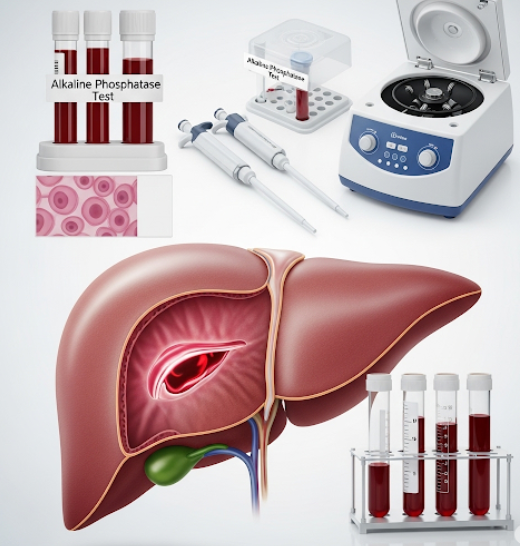
Overview of the Alkaline Phosphatase Test
The Alkaline Phosphatase (ALP) test is a common blood test that measures the level of alkaline phosphatase enzyme in your bloodstream. ALP is found throughout the body, but it is particularly concentrated in the liver, bones, kidneys, and digestive system. In healthy individuals, ALP plays a crucial role in various metabolic processes, including bone formation and liver function. Normal levels are essential for healthy bone growth in children and for the proper functioning of the bile ducts in adults. However, when there is damage or disease affecting the liver or bones, ALP enzymes can leak into the bloodstream, leading to elevated levels. Therefore, the ALP test serves as an important indicator for diagnosing conditions primarily related to the liver and bones. It is often included as part of a routine liver function panel, providing valuable insights into the health and functioning of these critical organ systems.
Why the Alkaline Phosphatase Test is Done
The Alkaline Phosphatase (ALP) test is primarily performed to screen for, diagnose, and monitor conditions affecting the liver or bones. It is frequently ordered if a healthcare provider suspects liver disease, especially if symptoms such as jaundice (yellow skin or eyes), dark urine, nausea, vomiting, abdominal pain, or unexplained fatigue are present. Elevated ALP levels can indicate liver conditions like hepatitis, cirrhosis, or more commonly, blockages in the bile ducts caused by gallstones or tumors, which impede bile flow. Beyond the liver, the ALP test is crucial for evaluating bone health. Elevated levels can suggest conditions involving increased bone turnover, such as Paget's disease, rickets, osteomalacia, or certain bone tumors. In children and adolescents, higher ALP levels are normal due to active bone growth. The test also helps monitor the effectiveness of treatments for existing liver or bone disorders and assess the impact of medications that might affect ALP levels.
Risks
The risks associated with undergoing an Alkaline Phosphatase (ALP) test are minimal, as it involves a routine blood draw (venipuncture). These risks are typically minor and temporary, primarily related to the needle insertion. Common, mild side effects include: a brief, slight pain or discomfort during the needle insertion and possibly some soreness at the site afterward; minor bruising may form at the puncture site, which usually resolves within a few days; and some individuals, especially those sensitive to needles or prone to fainting, might experience transient dizziness or lightheadedness during or immediately after the blood draw. Rare complications include a hematoma (a small collection of blood under the skin) or, extremely rarely, an infection at the puncture site if proper sterile techniques are not followed. Excessive bleeding is uncommon but can be a concern for individuals on anticoagulant medications. Overall, these risks are infrequent and do not typically lead to long-term health issues, making the ALP test a very safe diagnostic procedure.
How You Prepare
Preparation for an Alkaline Phosphatase (ALP) test is generally straightforward. In most cases, Alkaline Phosphatasefasting is usually required for 10 to 12 hoursAlkaline Phosphatase before the blood draw. This means you should not eat or drink anything other than plain water during this period. Fasting is often crucial because certain foods, particularly fatty meals, can temporarily increase ALP levels in the blood, especially the intestinal isoenzyme, leading to inaccurate results. It is also vital to inform your healthcare provider about all medications, over-the-counter drugs, herbal remedies, and supplements you are currently taking. Some medications, such as certain antibiotics, anticonvulsants, or oral contraceptives, can influence ALP levels and might need to be temporarily stopped or adjusted prior to the test, but only under your doctor's guidance. Avoid strenuous exercise before the test, as it might also impact results. Always follow the specific instructions given by your doctor or the laboratory to ensure the most accurate and reliable test outcome for proper diagnosis and management.
What You Can Expect
Before the Test
Before your Alkaline Phosphatase (ALP) test, your main task will be to meticulously follow any preparatory instructions provided by your healthcare provider. This typically involves Alkaline Phosphatasefasting for 10 to 12 hoursAlkaline Phosphatase prior to your scheduled blood draw, consuming only plain water during this period. It is absolutely essential to communicate a complete list of all current medications, including prescription drugs, over-the-counter remedies, and supplements, to your doctor. Certain medications are known to affect ALP levels, and your doctor may advise you to temporarily stop or adjust them, but always follow their specific instructions. Avoid strenuous physical activity for at least 24 hours before the test, as intense exercise can potentially elevate ALP levels. On the day of your appointment, arrive at the clinic or laboratory feeling rested and calm. If you have any anxieties about blood draws, informing the phlebotomist beforehand can be helpful, as they can take steps to make the process more comfortable for you. These preparatory steps are crucial for the integrity of your test results, helping to ensure the blood sample accurately reflects your true ALP levels for proper interpretation.
During the Test
During the Alkaline Phosphatase (ALP) test, you will undergo a standard and typically swift blood collection procedure. You will be asked to sit comfortably, usually in a chair with an armrest. A trained healthcare professional, such as a phlebotomist or a nurse, will identify a suitable vein, most commonly located in the crook of your arm or, occasionally, on the back of your hand. They will meticulously clean the chosen area of skin with an antiseptic wipe to maintain sterility and prevent infection. A tourniquet may be gently applied around your upper arm to make the vein more prominent and easier to access. Once the vein is prepared, a sterile, single-use needle is carefully inserted. You will likely feel a brief, sharp prick or a mild stinging sensation as the needle penetrates the skin. Blood will then be steadily drawn into one or more small collection tubes. The actual blood collection is usually very quick, often lasting only a few minutes. After the necessary amount of blood is obtained, the tourniquet is released, and the needle is smoothly withdrawn. Pressure will then be applied to the puncture site with a cotton ball or gauze to stop any bleeding.
Results
After your blood sample for the Alkaline Phosphatase (ALP) test is collected, it is promptly sent to a medical laboratory for precise analysis. Laboratory technologists will accurately measure the concentration of the ALP enzyme in your blood. Once the analysis is complete, a detailed report containing your ALP level, typically expressed in units per liter (U/L), will be generated and transmitted to your healthcare provider, usually within a few days. Your doctor will then interpret these results in the context of established normal reference ranges, which generally vary based on age, gender, and the specific laboratory, but commonly range from 44 to 147 U/L for adults. Elevated ALP levels can indicate various conditions, including liver disease (especially bile duct obstruction), bone disorders (like Paget's disease or rickets), or in some cases, certain cancers. Lower than normal levels are rare but can indicate malnutrition or other specific conditions. Your doctor will discuss the findings with you, explaining what your ALP level means for your health, and based on these results and your complete medical history, they will recommend any necessary follow-up actions, such as further diagnostic tests, lifestyle modifications, or treatment to address any underlying conditions affecting your liver or bones.